
Yaki Udon Noodles with Chicken and Crisp Vegetables

A quick, comforting stir-fry of thick chewy udon noodles, tender seared chicken, crisp bell peppers and carrots tossed in a glossy soy-sesame sauce.
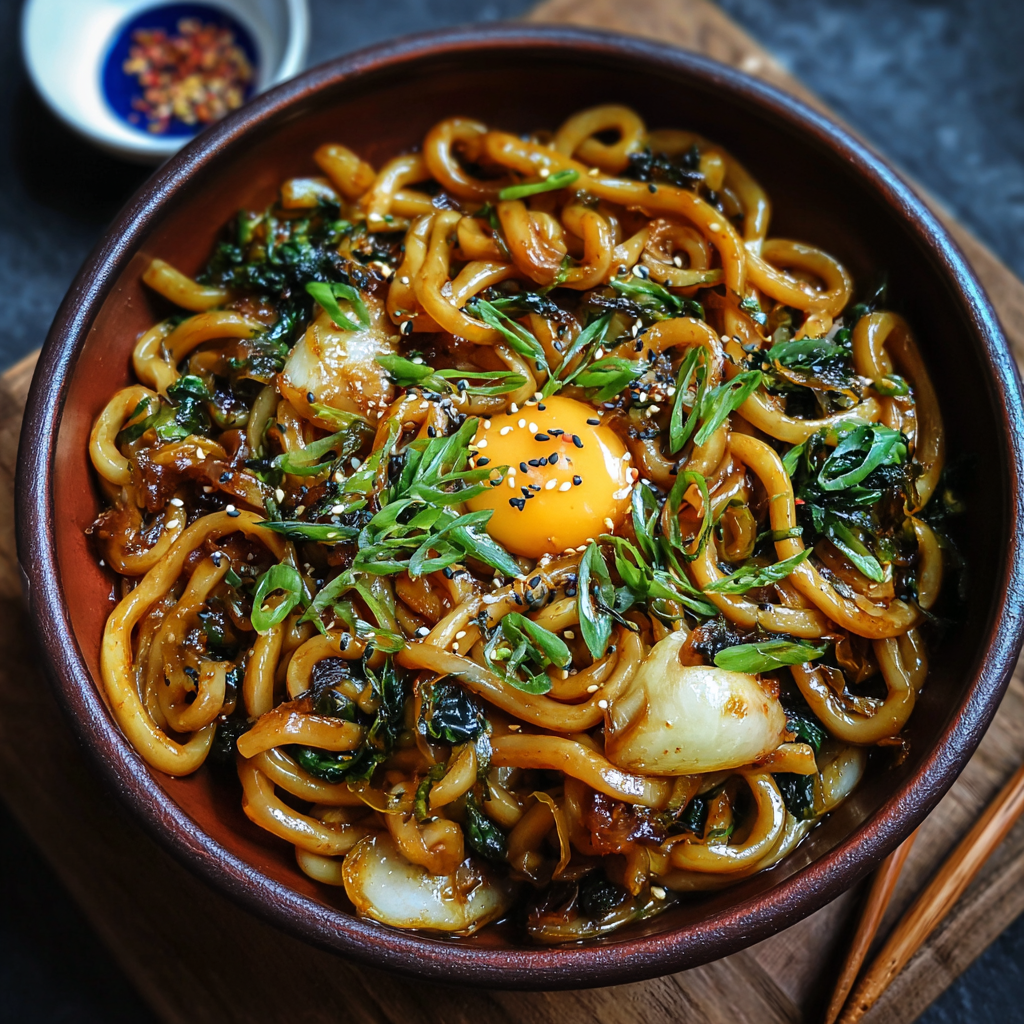
This yaki udon has been my weeknight lifesaver for years. I first learned this combination one rainy evening when I had fresh udon in the fridge and only a few vegetables on hand. The thick, chewy noodles soak up a glossy soy-sesame sauce while remaining satisfyingly bouncy, and thin slices of chicken caramelize quickly to add savory depth. The contrast of tender noodle, crisp bell pepper and sweet julienned carrot makes every forkful interesting. It is simple enough for a busy evening but polished enough to serve guests with a side of pickles or a green salad.
I discovered how transformative a little technique could be—searing chicken in a hot pan without crowding it and finishing the dish with smashed garlic and scallions—after many trials. Once I started using fresh chilled udon from brands like Hakubaku or Surimi, the texture became perfectly chewy rather than gummy. This dish always brings back memories of casual dinners around my kitchen island, the air filled with toasted sesame aroma and chatter. Leftovers reheat beautifully and occasionally become lunch the next day; the noodles stay tender and the flavors deepen overnight.
Why You'll Love This Recipe
- Ready in about 30 minutes from start to finish, ideal for busy weeknights when you want a satisfying meal without fuss.
- Uses pantry staples and easy-to-find ingredients like udon, soy sauce and sesame oil; fresh udon brands like Hakubaku or Surimi give the best texture.
- Flexible protein: chicken cooks quickly and stays tender when sliced thin across the grain; swap in tofu, shrimp or beef for variety.
- Stir-fry technique keeps vegetables crisp-tender for contrast in texture—bell peppers and julienned carrots add color and natural sweetness.
- Make-ahead friendly: cook noodles and protein separately, then toss together when ready; keeps well for meal prep and reheats cleanly.
- Low-maintenance seasoning: low-sodium soy sauce and a splash of broth create a glossy, well-balanced sauce without overpowering salt.
In my experience this combination wins over picky eaters because the flavors are familiar and comforting. My family often asks for this on busy nights and the leftovers are requested for lunches. I learned to trust high heat for quick searing and to add garlic only at the end so it stays bright rather than bitter. Those little discoveries made this a dependable favorite.
Ingredients
- 8 ounces udon noodles: Look for fresh chilled udon when possible (brands like Hakubaku or Surimi). If using dried or frozen udon, cook according to package directions. The thick, chewy texture of udon is central to the mouthfeel.
- 1 tablespoon sesame oil, divided: Use toasted sesame oil for authentic aroma. Reserve 1/2 tablespoon for cooking and a splash at the end for flavor. If you have only regular sesame oil, it still works.
- 1 cup boneless chicken breast, thinly sliced (about 6 to 8 ounces): Slice across the grain into thin strips so they sear quickly and remain tender. Thighs are a good substitute if you prefer juicier meat.
- 1 cup bell peppers, sliced: Use a mix of red and yellow for sweetness and color. Slice into uniform strips so they cook evenly but stay crisp.
- 1 cup carrots, julienned: Julienne or use a peeler to make thin ribbons. Thin strips speed cooking and mingle well with the noodles.
- 2 green onions, chopped: Reserve the green tops for garnish. The white parts add savory backbone during cooking and the greens add freshness when sprinkled on top.
- 3 tablespoons low-sodium soy sauce: Provides the umami backbone. Low-sodium lets you control salt levels; use regular soy sauce if needed and taste before adding salt.
- 1/2 cup vegetable broth: Adds body to the sauce and helps carry the soy flavor; chicken broth is a good swap for deeper savoriness.
- 2 garlic cloves, minced: Add at the last minute so garlic sings without turning bitter from overcooking.
- Salt and freshly ground black pepper: Use sparingly; the soy sauce provides most of the seasoning.
Instructions
Cook the noodles: Bring a large pot of salted water to a boil and cook 8 ounces udon according to package instructions, typically 2 to 4 minutes for fresh udon and longer for dried. Drain thoroughly and toss with about 1 teaspoon of sesame oil to prevent sticking. Spread the noodles on a plate so they cool slightly and do not clump together. Sear the chicken: Heat 1/2 tablespoon sesame oil in a large heavy skillet or wok over medium-high heat until shimmering. Add the sliced chicken in a single layer and let it sit undisturbed for about 1 minute to develop color, then stir and cook for a total of 5 to 7 minutes until cooked through and slightly caramelized. Avoid overcrowding the pan; if necessary, cook in two batches to get proper browning. Remove the chicken to a plate and reserve any pan juices. Stir-fry the vegetables: In the same skillet add the remaining 1/2 tablespoon sesame oil if the pan looks dry. Add the sliced bell peppers and julienned carrots and stir-fry over medium-high heat for 3 to 4 minutes until crisp-tender. Aim for bright color and slight tenderness; the vegetables should give a little resistance when bitten. Combine and add sauce: Return the chicken to the skillet with the vegetables. Add the drained udon noodles, 3 tablespoons low-sodium soy sauce and 1/2 cup vegetable broth. Use tongs or two spatulas to toss everything together so the sauce coats the noodles evenly. Stir-fry for 1 to 2 minutes until the liquid reduces slightly and the noodles are heated through. Look for glossy noodles and a lightly thickened sauce clinging to the strands. Finish with garlic and scallions: Stir in the minced garlic during the final minute of cooking so it becomes fragrant but not bitter. Remove the pan from heat, sprinkle with the chopped green onion and give a final toss. Serve immediately, dividing among warm bowls so the noodles retain heat and texture.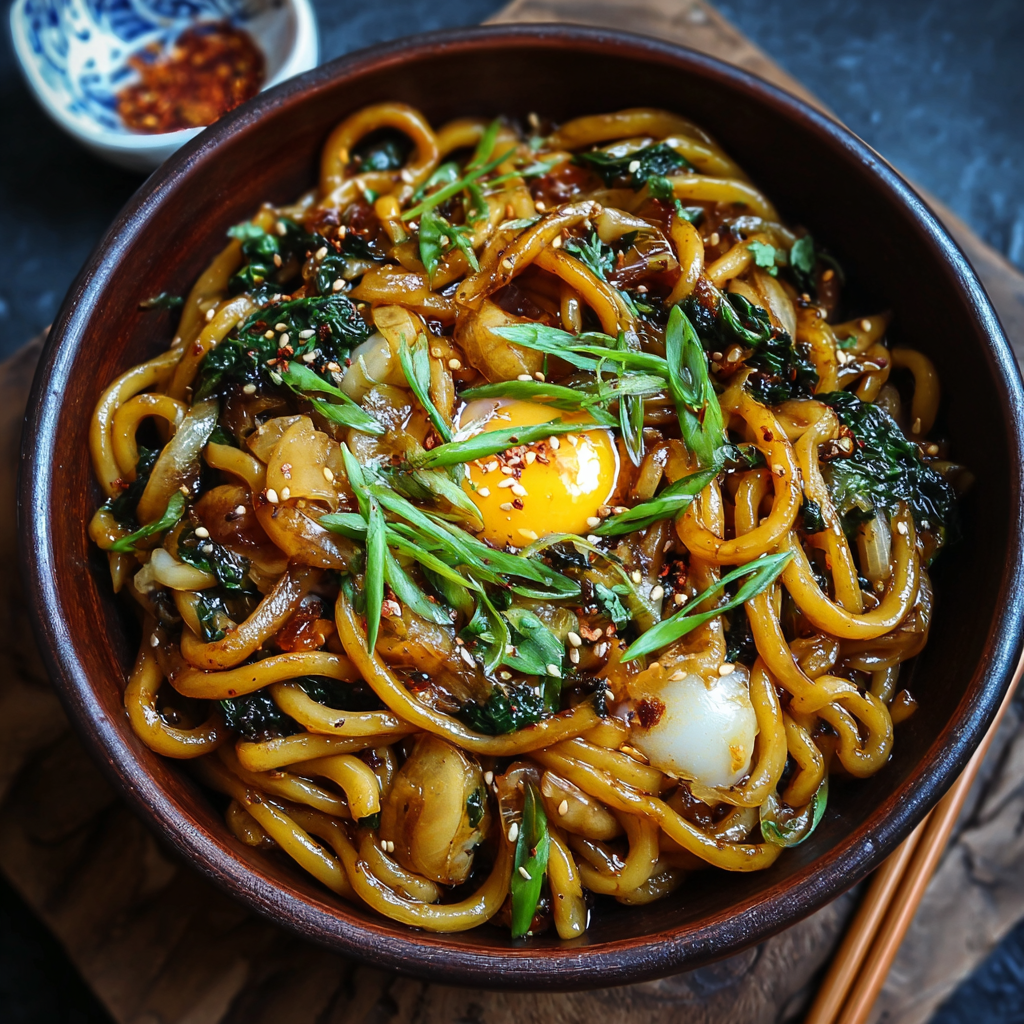
You Must Know
- This dish freezes moderately well for up to 1 month; however, fresh udon has the best texture when freshly cooked, so freeze cooked components separately for best results.
- High heat and a hot pan are crucial for quick searing that creates caramelization without overcooking the chicken or making the noodles mushy.
- Use low-sodium soy sauce to keep sodium under control; adjust salt only at the end after tasting the finished dish.
- Swapping chicken for tofu requires pressing the tofu first to remove excess water so it sears rather than steams.
My favorite thing about this plate is its flexibility. It adapts to what I have on hand and always brings out bright sesame notes and satisfying chew from fresh udon. Friends often ask for the recipe after a single bite because it tastes like comfort and restaurant polish at once. Small technique changes—hot pan, thin slices across the grain, garlic at the end—make a big difference in outcome.
Storage Tips
To store leftovers, cool the noodles to room temperature then transfer to an airtight container and refrigerate for up to 3 days. For best texture, keep sauce components together but if you plan to freeze, separate protein and vegetables from noodles and freeze in airtight containers for up to 1 month. Reheat gently in a skillet over medium heat with a splash of broth to loosen the sauce; microwaving can make noodles gummy if overheated. Look for fresh aroma and bright color as indicators that the dish is still good.
Ingredient Substitutions
If fresh udon is unavailable, use dried or frozen udon and follow package directions for cooking time. Swap sesame oil with neutral oil plus a dash of sesame seeds if you have no toasted sesame oil. Chicken thighs make the dish juicier and are forgiving if slightly overcooked. For a vegetarian version, press 8 ounces firm tofu, cut into strips and sear until golden. To make it gluten-free, use tamari or coconut aminos and certified gluten-free udon or shirataki noodles.
Serving Suggestions
Serve yaki udon hot, garnished with extra sliced green onions and a drizzle of toasted sesame oil for aroma. A side of quick cucumber salad or pickled ginger cuts through the richness, and a simple miso soup makes a comforting pairing. For a heartier meal, add a soft-boiled egg or a side of steamed edamame. Present on warm plates and add sesame seeds or chili flakes at the table for guests to customize.
Cultural Background
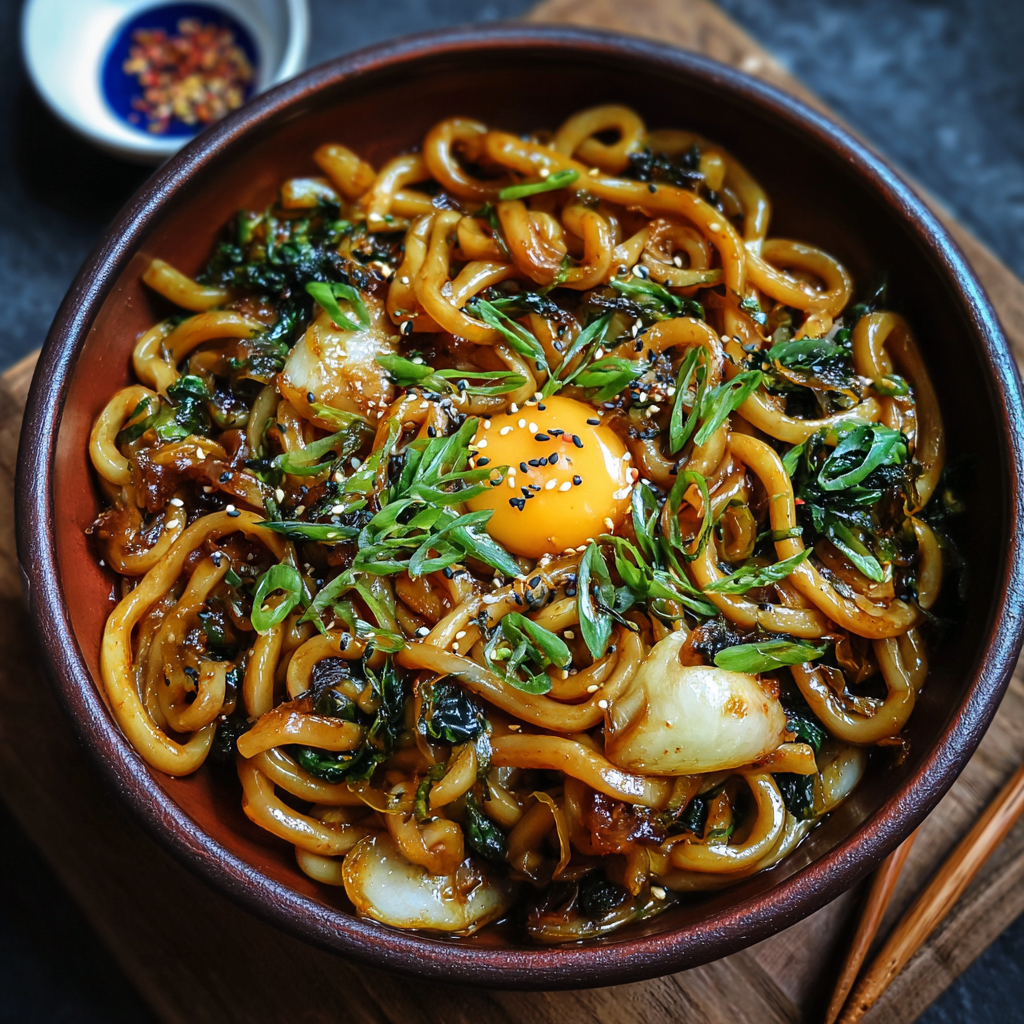
Yaki udon is a popular Japanese stir-fried noodle dish that comes from the tradition of quick, one-pan cooking. It is closely related to yakisoba but uses thicker udon rather than wheat noodles typically used in yakisoba. Regional variations across Japan add different proteins and vegetables; some areas favor seafood while others use pork or local produce. The method of searing ingredients at high heat and finishing with a savory-sweet sauce mirrors broader Japanese home-cooking techniques focused on balance and seasonality.
Seasonal Adaptations
Adjust vegetables to the season: in spring, add snap peas and baby bok choy; in summer, blistered shishito peppers and zucchini work beautifully; in fall, swap in mushrooms and shredded cabbage for depth. For holidays, elevate the sauce with a tablespoon of mirin and a teaspoon of honey for a slightly sweet glaze. The technique stays the same but seasonal produce can refresh this base dish across the year.
Meal Prep Tips
For meal prep, cook the noodles and protein separately and store in portioned containers. Keep vegetables lightly cooked so they retain a crisp texture during reheating. When ready to eat, reheat components together in a hot skillet with a splash of broth so everything warms evenly and the sauce revives. Use microwave-safe containers when reheating quickly for lunches, but a skillet reheat gives better texture and flavor.
Make this recipe your own by adjusting proteins, vegetables and seasonings. It is a reliable, flexible, and delicious go-to that brings bright sesame aroma and hearty satisfaction to the table. Enjoy sharing it with friends and family.
Pro Tips
Use a hot heavy skillet and do not overcrowd the pan when searing chicken to encourage caramelization rather than steaming.
Add minced garlic during the last minute of cooking so it becomes fragrant but does not burn and turn bitter.
Toss drained noodles with a teaspoon of sesame oil right after draining to prevent them from sticking together.
If reheating leftovers, warm gently in a skillet with a splash of broth to restore the sauce and avoid gummy noodles.
This nourishing yaki udon noodles with chicken and crisp vegetables recipe is sure to be a staple in your kitchen. Enjoy every moist, high protein slice — it is perfect for breakfast or as a wholesome snack any time.
FAQs about Recipes
How long should I cook udon noodles?
If using fresh udon, cook for 2 to 4 minutes; dried udon requires longer—follow package instructions. Drain and toss with a little sesame oil to prevent sticking.
Can I reduce the salt in this recipe?
Use low-sodium soy sauce to control salt levels. Taste the finished dish before adding extra salt. A splash of broth helps loosen the sauce without adding salt.
Tags
Yaki Udon Noodles with Chicken and Crisp Vegetables
This Yaki Udon Noodles with Chicken and Crisp Vegetables recipe makes perfectly juicy, tender, and flavorful steak every time! Serve with potatoes and a side salad for an unforgettable dinner in under 30 minutes.
Ingredients
Main
Instructions
Cook the noodles
Bring a large pot of salted water to a boil and cook 8 ounces udon according to package instructions, drain thoroughly and toss with 1 teaspoon sesame oil to prevent sticking.
Sear the chicken
Heat 1/2 tablespoon sesame oil in a large skillet over medium-high heat until shimmering, add sliced chicken in a single layer, sear 1 minute then stir and cook 5 to 7 minutes until cooked through and slightly caramelized; remove to a plate.
Stir-fry the vegetables
Add remaining 1/2 tablespoon sesame oil to the pan if dry, add bell peppers and julienned carrots and stir-fry 3 to 4 minutes until crisp-tender.
Combine and sauce
Return chicken to the pan with vegetables, add drained noodles, 3 tablespoons low-sodium soy sauce and 1/2 cup vegetable broth, toss with tongs and stir-fry 1 to 2 minutes until sauce reduces slightly and noodles are glossy.
Finish and serve
Stir in minced garlic during the last minute of cooking, remove from heat, sprinkle with chopped green onions and serve immediately while hot.
Last Step: Please leave a rating and comment letting us know how you liked this recipe! This helps our business to thrive and continue providing free, high-quality recipes for you.
Nutrition
Did You Make This?
Leave a comment & rating below or tag
@snapyrecipe on social media!
Categories:
You might also like...

5-Minute Thanksgiving Appetizers That Wow Every Guest
A fast, elegant bite for Thanksgiving: creamy cheese, bright cranberry, crunchy pecans and rosemary on crackers or baguette — ready in five minutes and loved by all.
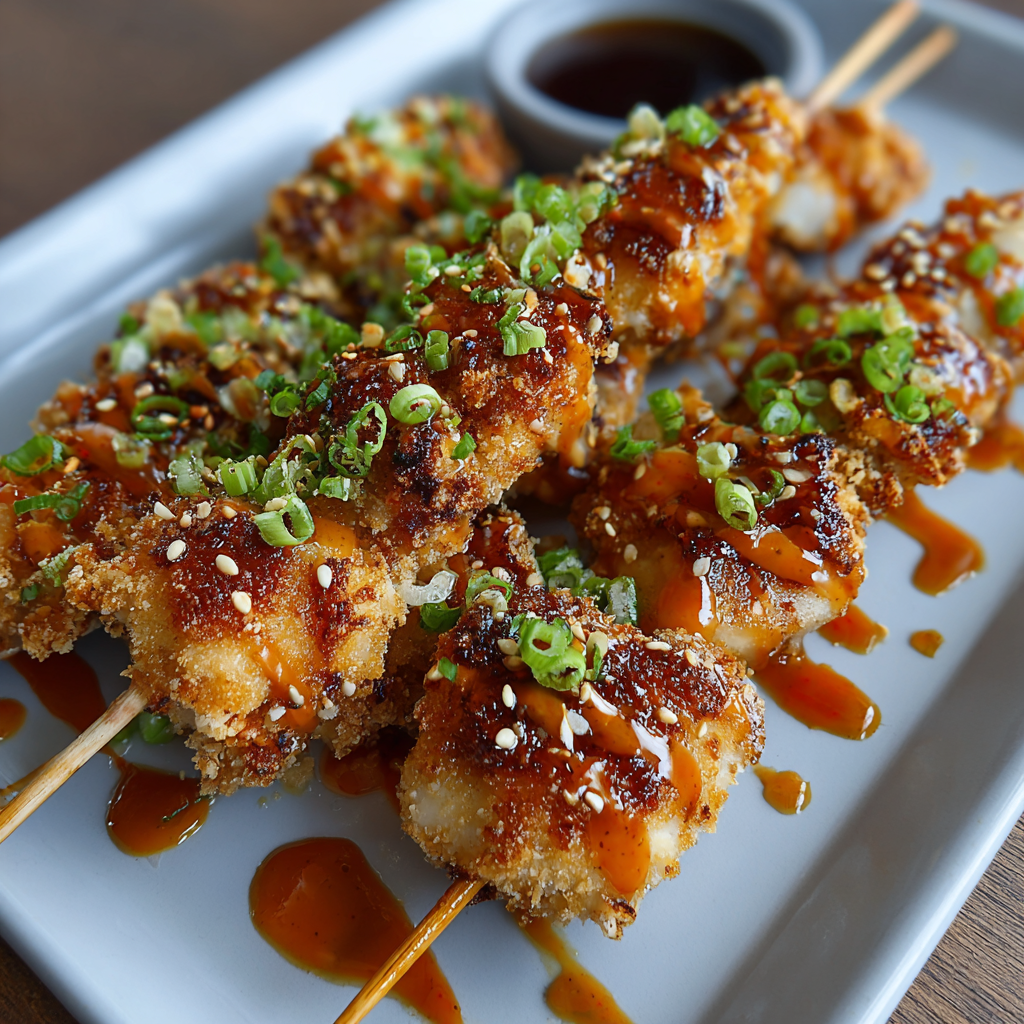
Air Fryer Bang Bang Chicken Skewers
Crispy air-fried chicken skewers tossed in a creamy, sweet-spicy bang bang sauce — a quick, crowd-pleasing weeknight favorite.
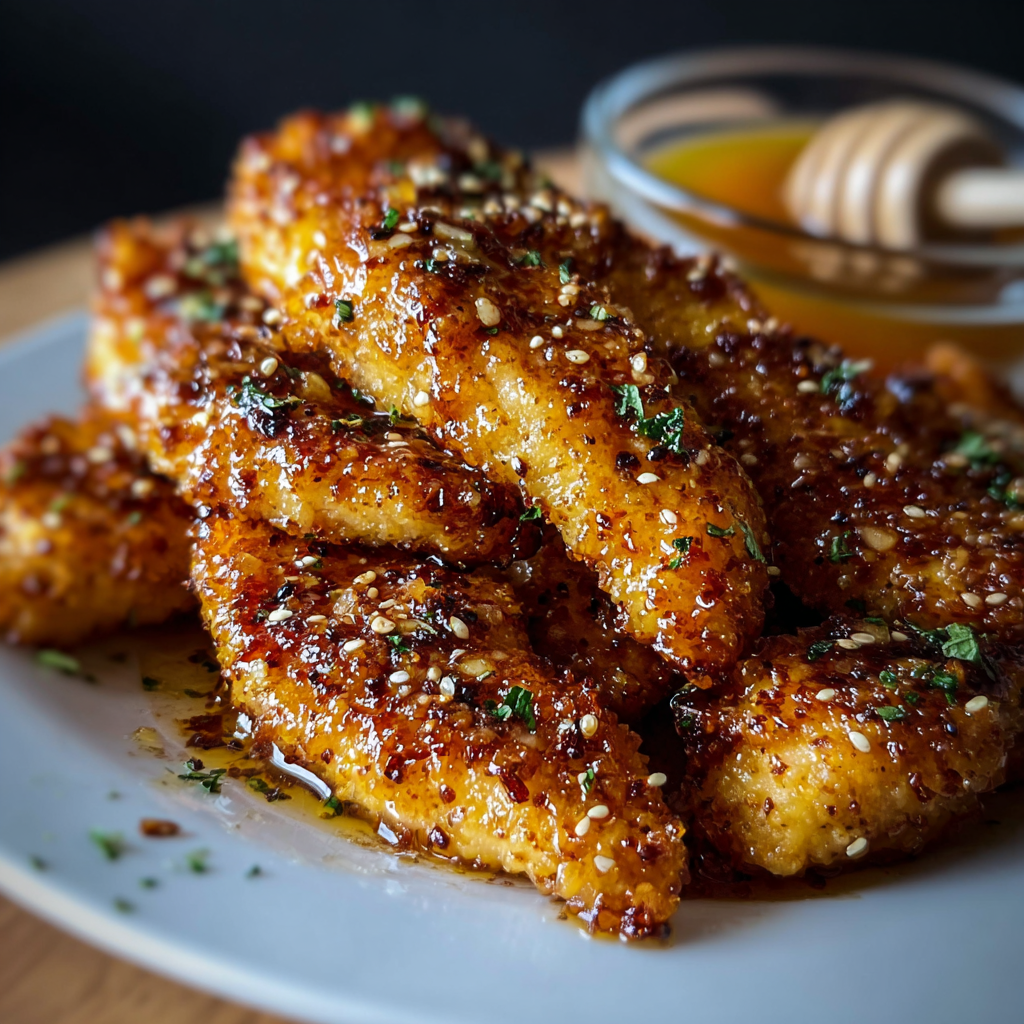
Air Fryer Honey Butter Garlic Chicken Tenders
Crispy air-fried chicken tenders coated in a sticky honey-butter garlic glaze — quick, family-friendly, and ready in about 25 minutes.
Did You Make This?
Leave a comment & rating below or tag @snapyrecipe on social media!
Rate This Recipe
Share This Recipe
Enjoyed this recipe? Share it with friends and family, and don't forget to leave a review!
Comments (1)
This recipe looks amazing! Can't wait to try it.
Comments are stored locally in your browser. Server comments are displayed alongside your local comments.
Hi, I'm Natalia!
What's Popular

Get My 30-Minute Meals email series!
Quick and easy dinner ideas delivered to your inbox.